
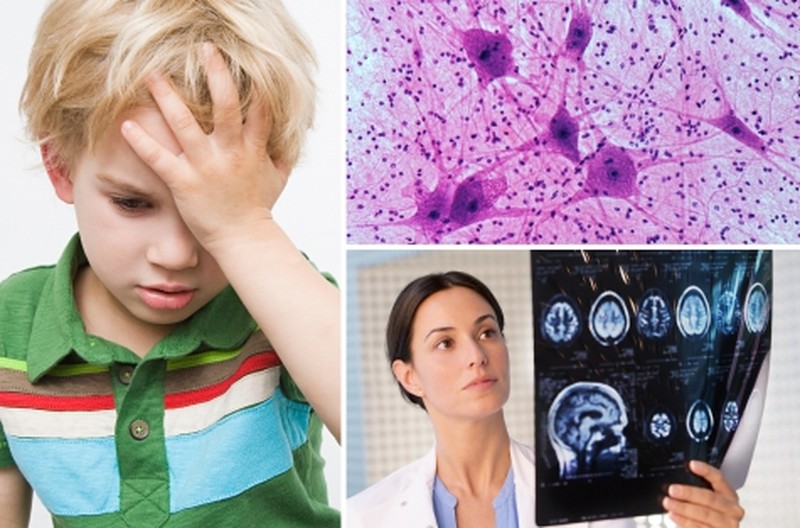
Meningitis, a disease that can affect anyone, is inflammation of the membranes that protect the brain and spine. What are the symptoms of meningitis?
Caused by a bacterium or a virus, meningitis can affect people of all ages and can have long-term negative effects, and in some cases results in the death of the affected person. The most common type of meningitis is viral. Risk factors for meningitis include lack of meningitis vaccination, age (affected groups ranging from 0 to 5 years, 15 to 24 years, and over 65), exposure to secondhand smoke, long time spent in crowds, and immune system problems.
There is no specific treatment for most cases of viral meningitis, the patient is recommended painkillers, rest, and hydration. Although affected people generally recover completely, healing is slow. Some people with viral meningitis may have certain health problems, such as headaches, fatigue, and hearing and memory loss. Treatment for bacterial meningitis involves the immediate administration of antibiotics and sometimes corticosteroids.
ADVERTISEMENT
Symptoms of meningitis in young children
Symptoms of meningitis in infants and preschoolers may include a rapidly developing high fever or a fever in which the hands and feet remain cold, headache, vomiting, diarrhea, muscle aches, and stomach cramps. The child may cry in an unusual way or moan, may not be able to stand the light, and may become pale on the face. These signs may appear in any order, and some of them may not appear at all.
Symptoms of meningitis in young people and adults
Adults have roughly the same signs: fever, vomiting, severe headache, muscle aches, difficulty waking up in the morning, confusion and irritability, lack of appetite, stiff throat, and intolerance to strong light.
Careful! When meningitis symptoms appear, it is necessary to see a doctor immediately, as the disease progresses very quickly. One in 10 people who contract bacterial meningitis lose their lives, and between 30 and 50% of those who survive bacterial meningitis remain with physiological and neurological problems. Viral meningitis is less severe than bacterial meningitis, but this type can also leave its mark. The longer the affected person stays without treatment, the greater the risk of complications.
How can meningitis be prevented?
- Vaccinate your child.
- Wash your hands with soap and water and teach your child to wash their hands before eating, after stroking an animal, after using public transportation, and after going to the bathroom.
- Do not use the same cutlery, mugs, straws, or lip balms with other people and have the child do the same.
- If you are pregnant, avoid unpasteurized foods and cook meat well.
- Maintain a strong immune system by regular consumption of fresh fruits and vegetables, exercise, and a restful schedule.
Read more about meningitis symptoms: