
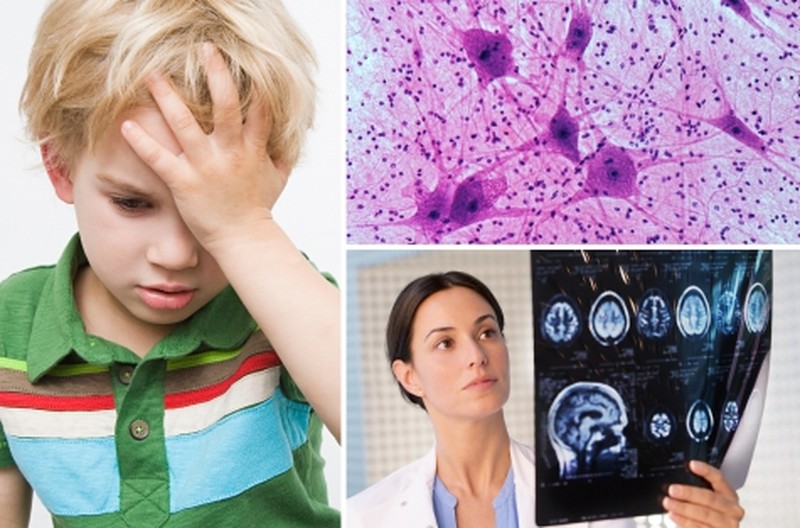
Meningitis is an inflammation of the meninges, membranes that surround and protect the brain and spinal cord and can have 2 major causes: viruses – viral meningitis or bacteria – bacterial meningitis. In general, the viral form has a good prognosis; In contrast, bacterial meningitis can cause neurological sequelae or lead to death.
Fever and headaches are among the symptoms
Manifestations that should alarm your child include fever, loss of appetite, seizures, headache, light sensitivity, stiff neck, dizziness, nausea, and vomiting. If 3 of these symptoms occur at the same time, the baby may be suffering from meningitis. Stomach pain, cold extremities, chills, muscle aches, or shortness of breath may also occur. Go to the doctor immediately for a correct diagnosis.
Refusal to feed newborns
For children under 2 years of age, it is good to pay close attention to any mood swings. Excessive agitation or drowsiness, refusal of food, crying that cannot be calmed, sharp, but also vomiting should be carefully monitored.
ADVERTISEMENT
What the diagnosis entails
The doctor will analyze the temperature, blood pressure, pulse, and amount of oxygen in the blood to make a diagnosis. Skin irritation and sore throat require urgent administration of a venous antibiotic. A number of other tests may follow, such as lumbar puncture, CT scan, X-ray, or various blood tests.
Possible complications
In unfortunate cases, bacterial meningitis can lead to neurological problems, such as hearing loss, impaired vision, subsequent memory and learning difficulties, and even death. Subsequent ENT control and specific prompt interventions will be required to prevent these severe and irreversible complications.
Proper treatment
In the case of viral meningitis, treatment is for symptoms. The administration of analgesics and antipyretics is often sufficient, along with the recommendation to consume as much fluid as possible. Bacterial meningitis requires treatment with antibiotics or special medication to reduce intracranial pressure. The child should be monitored both during treatment and after treatment, in order to monitor the evolution of his health.
swell
Streptococcus is the most common bacterium that causes meningitis in children and young adults.
It is a contagious disease
The most likely to develop meningitis are usually children with a weakened immune system, those suffering from iron deficiency anemia, or children who have suffered a brain injury, but anyone can get the disease. Those around you must be careful about the shared use of the dishes and the rigorous hygiene of the hands.
Did you know that … … the Haemophilus immunization vaccine reduces the risk of certain forms of bacterial meningitis?