
On this page, we summarize the most important information about the cases of monkeypox that have occurred and provide information about symptoms, transmission, treatment, and course. In the event of new developments, we will continuously update the information.
The most important information about monkeypox
- There is no need to panic when it comes to monkeypox: the viral infection is extremely rare and usually heals on its own.
- Infections are almost always mild.
- The virus is difficult to transmit from person to person: it can be transmitted through direct skin contact with the rash or scabs, inhaling droplets when a person with the rash coughs or sneezes, or coming into contact with used clothing or laundry, such as towels.
- Therapy with tecovirimat has been approved for people with immunodeficiency since January 2022.
- So far, severe illnesses have mostly only occurred in regions without comparable health care as in Germany.
- If symptoms occur, get them checked out by a doctor. Symptoms can appear after 7 to 21 days. These include in particular: fever, headache, muscle, and joint pain, swollen lymph nodes, and rash after about 5 days, which often begins in the genital area or on the face and spreads to other parts of the body.
What do monkeypox and HIV have in common?
Monkeypox and HIV are unrelated. They are completely different virologically and cause a completely different clinical picture. Monkeypox is not nearly as infectious as smallpox (variola) and the infection is usually mild. In most cases, the disease will go away on its own.
What is monkeypox?
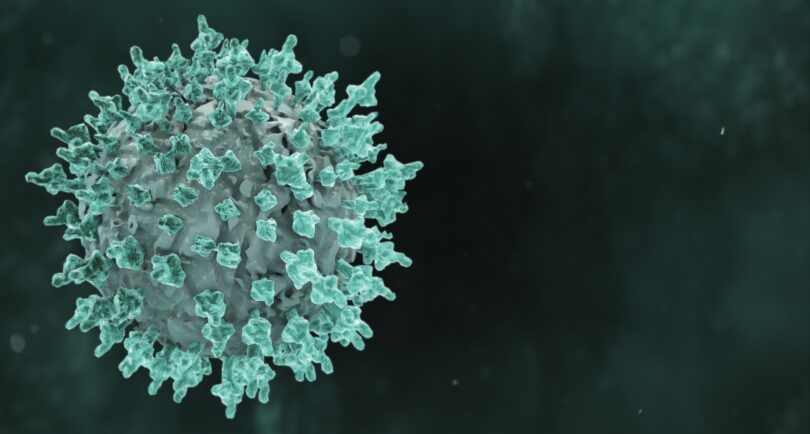
Monkeypox (monkeypox virus) was first identified in monkeys. Hence they got their name. However, it is assumed that they are actually mainly found in rodents (eg squirrels and rats). Transmission to humans is possible, for example, through bites, body fluids (droplet infection) and consumption. They belong to the smallpox family, but have a much milder course than smallpox (variola) and are not as infectious.
ADVERTISEMENT
How dangerous is monkeypox?
In most people with healthy immune systems, monkeypox appears to be mild to very mild. The RKI currently assesses the health risk for the general population as low. Severe courses only occur in very rare cases.
How dangerous is monkeypox for people with HIV?
So far, no reliable statements can be made about this. However, it seems plausible that HIV-positive people with effective therapy and a good immune status are no more at risk than others. People with severely compromised immune systems could be at higher risk of infection and more severe disease. So far, however, there is a lack of reliable data on this.
What are the symptoms of monkeypox?
After infection with monkeypox, the following symptoms can appear after 7 to 21 days:
- Fever,
- headache, muscle and joint pain,
- swollen lymph nodes,
- Rash after about 5 days, which often starts on the face or genitals and can spread to other parts of the body.
How can you protect yourself from monkeypox?
There is no specific vaccination for monkeypox. However, the RKI points out that vaccination against smallpox (variola) also offers protection against the much weaker monkeypox. Otherwise, contact with infectious parts of the body should be avoided. These are usually smallpox-like skin lesions. A mouth and nose mask can prevent inhalation of droplets when sneezing or coughing.
What to do if you suspect monkeypox?
If unusual skin changes occur, these should be clarified by a doctor. Avoid close physical contact with others and pay attention to hygiene (e.g. avoid contact with clothing, towels, and bedding of infected people).
How can monkeypox be treated?
There is no direct therapy for monkeypox. The disease usually heals on its own. If necessary, symptoms (e.g. fever and pain) can be treated or relieved. The drug Tecovirimat is approved for severe courses.