

Couple problems often arise after a child: new parents go into crisis after childbirth and the balance changes in an inexorable way, from sexual relations that thin out to frequent quarrels due to tension. Here are some tips on how to overcome the couple crisis after having the first child.
The couple crisis after the first child is, unfortunately, very frequent even among the most in love and accomplices of partners.
It is often said that a child destroys the couple and we feel we can dispel this myth. However, while not wanting to be so drastic, it is certainly true that new parents get into a crisis quite often and that relationships inevitably change. There are many causes that lead to the couple crisis after childbirth, from jealousy to sexual relations that in most cases thin out to the detriment of the intimate sphere.
ADVERTISEMENT
Let’s find out all there is to know about the couple’s crisis after the first child, with some tips to get out of it unscathed and rediscover the lost complicity.
COUPLE CRISIS AFTER FIRST-CHILD: DOES A SON REALLY DESTROYS A COUPLE?
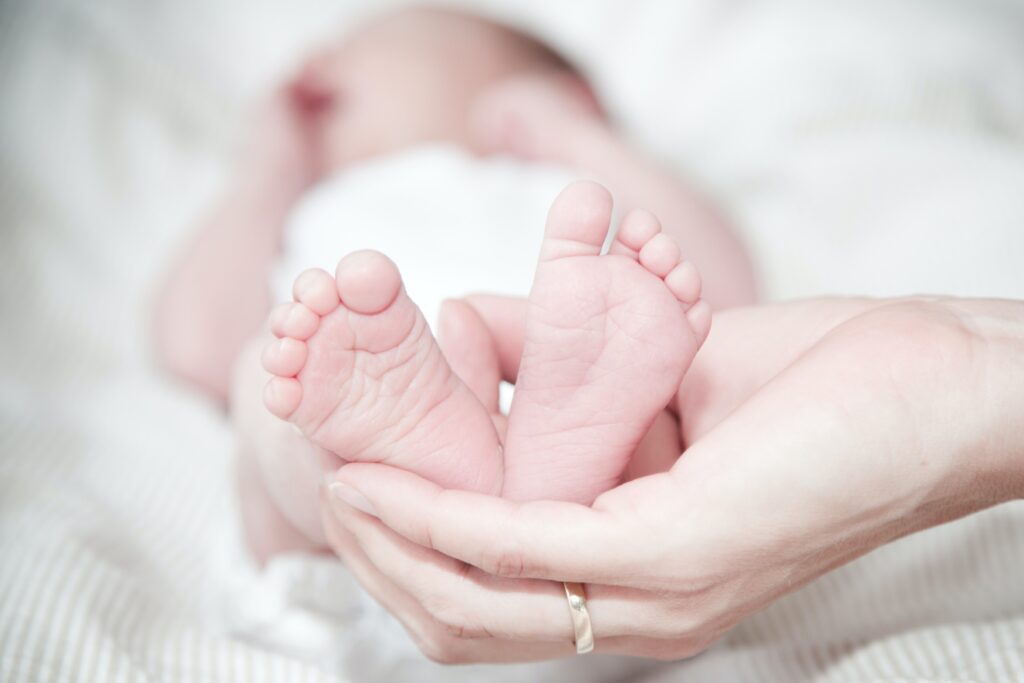
When one becomes a parent it is inevitable that the consolidated equilibrium of a couple will be upset and change. The birth of a child is a very important event which, in addition to bringing a lot of joy, is accompanied by contrasting feelings.
The couple experiences after childbirth – especially after the birth of their first child – a profound sense of loneliness, but also of inadequacy and fatigue.
We feel trapped in a completely new dimension, which we cannot yet fully understand, and this destabilizes not a little.
Basically, the problems of the couple after the first child are absolutely normal and physiological. The question becomes more complex when, however, repeated quarrels and discussions arise or when the birth brings up old disagreements, resentments, or latent tensions between the new parents.
We have talked about “physiological” changes and, in fact, that’s right. The relationship between new parents changes drastically. We find ourselves having to reorganize our days according to the newborn baby, also trying to preserve individual spaces and for the life of the couple.
It is difficult to do so immediately after giving birth, it can take years to find the right balance between the role of parents and that of partner.
Taking care of the child means that the time available for the romantic and intimate sphere of the couple becomes less and less because the priority is to be supportive and well organized, a bit like a “work team”, especially from a practical point of view in the management of the newborn.
Although times have fortunately changed a lot and there are many fathers who play their role in the best possible way, the greatest commitment always “touches” the mother in the very first months of the child’s life. This is just one of the factors that lead to the couple’s crisis.
WHAT ARE THE CAUSES OF THE CRISIS OF COUPLES AFTER THE BIRTH

The causes are manifold. As we have anticipated, it often happens that the mother devotes herself completely to the newborn. The partner, therefore, may feel set on the sidelines and not sufficiently involved.
Many new fathers go into crisis because they end up feeling a kind of jealousy towards their son, who has become in effect the main object of the attention of his partner.
There are also many tensions concerning the education and management of the first child. It happens to have different opinions and especially in the early days, it can be difficult to agree on a common educational line.
Another cause is certainly the lack or in any case the thinning of sexual relations. Sexuality is a very important dimension in the life of a couple and, with the arrival of a child, this aspect suffers a lot of interference.
Sometimes there is no time and opportunity to share moments of intimacy, even when you are together in bed at the end of the day. Just think, for example, of cosleeping, or sleeping all together in the bed, a very common habit but which actually hides several pitfalls for life as a couple.
THE BIRTH RISKS OF WORSE PROBLEMS ALREADY EXISTING

When you become a parent it is important to team up, collaborate and share. If this does not happen, the risk is that the birth of the first child brings to light already existing criticalities that, perhaps, have been set aside over the years for a quiet life.
Finding your own balance, especially in a relationship that has lasted a long time, makes it easier to smooth out certain aspects of your character or put aside small tensions.
When this balance is upset by a crucial event such as childbirth, it is inevitable that problems can re-emerge. It must also be said that, unfortunately, many couples who are incompatible or already in crisis try to bridge the gap with the birth of a child.
This event, however, instead of uniting very easily destroys if it does not mature in a solid context such as that of a healthy relationship. Speaking of emotional problems, finally, it should be emphasized that many women – even if satisfied by their relationship and motherhood – find themselves affected by postpartum depression, another cause of the couple crisis after the first child.
NEW PARENTS IN CRISIS: HOW TO GO FORWARD AND MIX THE RELATIONSHIP

A bit like when you fall into the vicious circle of the couple’s routine, even in the case of the couple crisis after the first child it is important – as far as possible – to break the habits. We need to review together what is wrong and try to shake up the relationship.
Sometimes you can do it alone, at other times – especially when serious problems like postpartum depression arise – it is essential to ask for help and contact specialists, psychologists, or a couple of psychotherapists.
In general, however, there are some precautions to keep in mind and to treasure that can improve the situation and help stem the crisis. First of all – perhaps not in the very early days, but as soon as possible – it is important to preserve a space dedicated to the couple. It can be a dinner together, a simple chat at the end of the day, or a walk alone, obviously accompanied by moments of intimacy.
It is necessary to help and collaborate in everything, dividing the commitments in an equitable way as much as possible. In doing so, no one feels excluded or abandoned.
Every mother should try not to neglect herself, neither emotionally nor physically. The child’s needs are important, but so are their own. This, of course, is easier to do after the first few months of giving birth.
Encouraging and supporting each other helps a lot. Both partners need to believe in their parenting skills and to feel valued by the other.
Last but not least, the role of friends and relatives. Having a network of trusted people to turn to is essential. Be careful, however, not to let the families of origin interfere with the education and management of the child who has just arrived in the family. Each new family has its own rules and its own balance: external interference is never (or almost) welcome.