

The leading cause of death worldwide is cardiovascular disease and congestive heart failure. They have become a widespread disease, which has a lot to do with the times we live in. We often work too much, sleep too little, eat poorly, and don’t exercise enough. We don’t always realize that our body is sending us signals. Unfortunately, many people ignore these signals or fail to recognize them in time.
Heart problems can cause a variety of symptoms. The warning signs of serious cardiovascular disease are listed below. If this is the case, you should see your doctor immediately.
Fatigue

Fatigue is not only a result of lack of sleep but also a sign of heart disease. During a cardiac arrest, the amount of blood is reduced and therefore the heart has to intensify its work. As a result, you are tired day and night. So if you find yourself feeling tired all the time, it would be wise to see a doctor for no particular reason. Fatigue can also indicate another illness.
ADVERTISEMENT
Unconsciousness
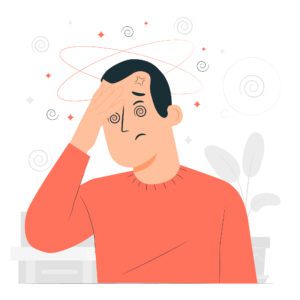
The occurrence of frequent fainting spells is undoubtedly unusual. If you have frequent problems with this, you should see a cardiologist right away, as it could be a sign of heart disease. Intense physical exertion, pain, or dehydration can trigger a loss of consciousness. There are a variety of causes, but it could also be a sign of a heart problem. This is usually related to a drop in blood pressure, leading to a lack of oxygen in the blood, which in turn causes fainting. You should take it seriously and see a doctor.
Rapid weight gain

Closeup of obese elderly woman
Anyone who has recently gained a lot of weight should consider whether it is due to overeating or a sign of a heart problem. One of the symptoms of heart disease is the accumulation of fluid in the body. This leads to swelling and bloating, which can manifest itself as weight gain. It’s a good idea to write down what you eat each day when you notice this symptom. This will help you determine if the gain is diet-related or not.
Nausea and loss of appetite
Irregular heartbeat
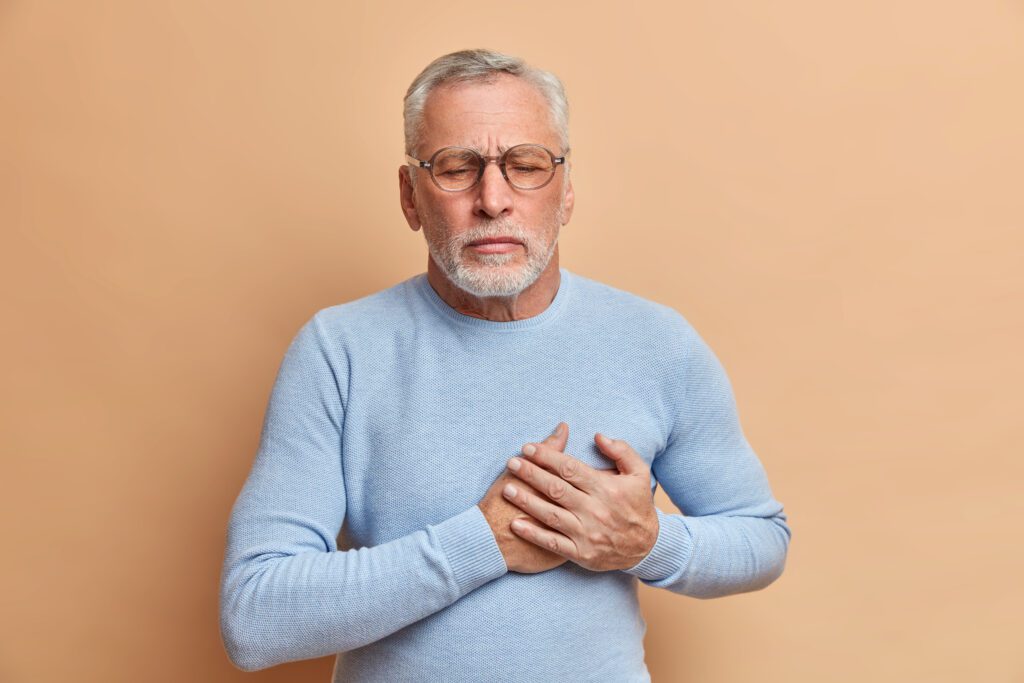
A variety of factors can cause palpitations. It is usually triggered by an adrenaline rush or mood swing. Anyone who notices that their heartbeat is becoming irregular should see a doctor immediately. Arrhythmia is the medical term for an irregular heartbeat. It’s important to take the problem seriously because an arrhythmia can lead to a stroke if left untreated. If you notice this symptom in yourself, you should see a doctor.
A persistent cough
A cough that won’t go away can be very annoying. Many people don’t take this seriously, but a cough that lasts for a long time can indicate heart disease. When the heart has trouble pumping blood to the rest of the body, it can end up in the lungs and cause a chronic cough. If you have a cough that produces sputum, you should pay close attention to the color of the sputum. Pink-white sputum should be avoided at all costs. If your cough gets worse when you lie down at night, it could be a sign of heart disease.
Cold sweat
The body sends out a warning sign in the form of cold sweat. Normally, the body regulates its temperature by sweating. When you sweat a lot, your heart has to work harder to pump blood through your arteries. Anyone who regularly suffers from cold sweats should see a doctor as soon as possible. Cold sweats can be a sign of heart disease, infection, cancer, or a neurological condition, among other things. Cold sweats can also be caused by medication or stress.
Dizziness

Leg swelling is annoying and painful. They occur frequently, especially in summer. On the other hand, leg swelling should be taken seriously if it occurs frequently, as it can indicate heart disease. Fluid retention is a common cause of edema. Since the legs and feet are furthest from the heart and are where blood circulates first, they are often the most affected. If the swelling doesn’t go away or gets worse, you should see a doctor right away.
Sleep disorders
Sleep disorders are usually treatable and harmless. In many cases, however, a heart condition is to blame. That’s why it’s important to take insomnia seriously, as it can lead to various diseases. It is recommended that people who have trouble falling asleep or staying asleep see a doctor. Difficulty breathing while sleeping can indicate fluid buildup in the lungs. Palpitations are often caused by chest pain.
Gingivitis
Gingivitis is usually nothing to worry about. However, if the pain in the mouth persists, a dentist should be consulted. Heart problems are also often cited as a cause. It starts with an inflamed palate, which is a sign that there are batteries in the bloodstream. Bacteria can cause blood clots. Many people are unaware that dental and cardiovascular health are often linked. Because dental health affects the entire body, it’s important to have your teeth checked regularly.
Snoring
Most of the time you are not even aware that you are snoring. Only those who are in your immediate vicinity will notice. The medical term for this is sleep apnea. This is a common phenomenon these days. The heart beats for a brief moment before beating normally again. Because those affected may not notice, it’s important to remain vigilant and see a doctor once too often rather than too infrequently. A heart problem can be treated if caught early.
Pain in upper body and arms
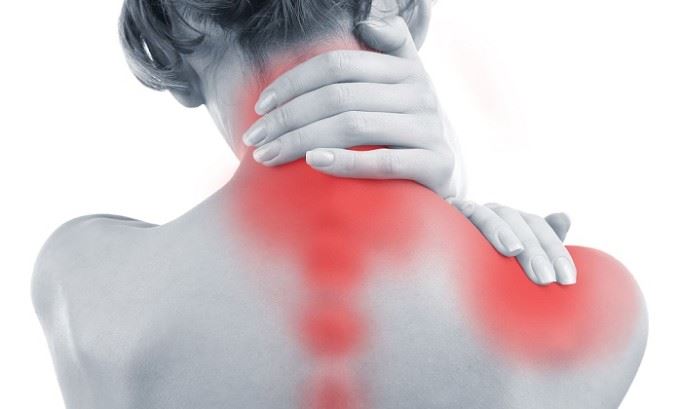
With pain in the upper body and arms, the first thought is usually that it is a matter of tension. But it can also be a symptom of a heart attack. The pain of a heart attack does not start at a specific point in time. The pain usually radiates to the left, but it can also radiate to the right arm, depending on which area is affected. You may experience regular pain in your mouth or back. Women have a harder time recognizing the signs of a heart attack than men.
Shortness of breath

Many people believe that obesity leads to shortness of breath. That does not have to be that way. If you’re short of breath even though you’re not doing anything strenuous, it could be a sign of a panic attack or a heart attack. When the respiratory and cardiovascular systems are not working harmoniously, it can be a sign of an existing or imminent heart problem. When this happens, the lungs no longer receive enough oxygen, making it difficult to breathe.
Chest pain
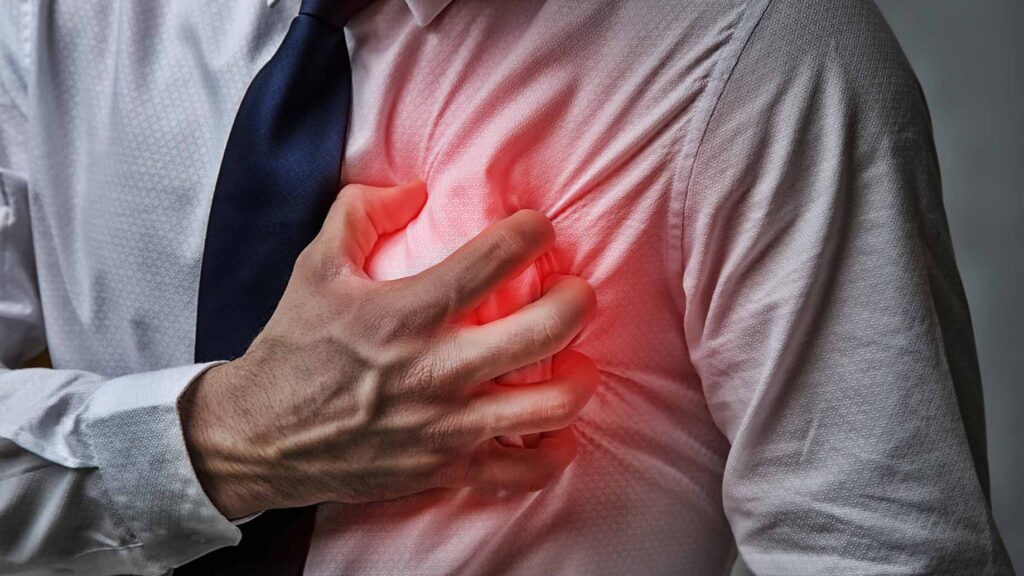
One of the classic warning signs of heart disease or a heart attack is chest pain. If the pain is accompanied by shortness of breath, you should exercise extreme caution. If the pain comes on suddenly and without warning, your best bet is to go to the emergency room right away. The pain is very different. There may be a feeling of tightness or burning pain. A heart attack can be diagnosed if symptoms appear at rest and last a few minutes. It is important that you see a doctor immediately.
PS: This is not medical advice, if you feel anything unusual you should consult the doctor and specialists.